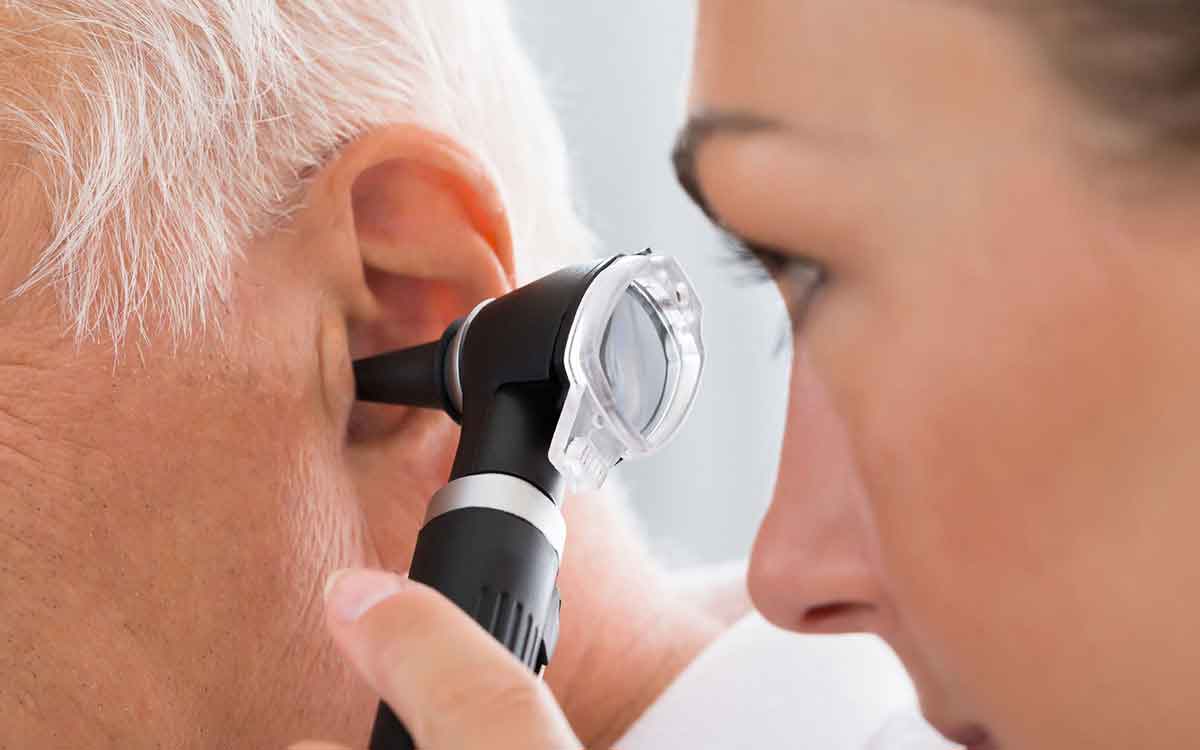
Auditory decline frequently manifests as an incremental process, making it likely to be ignored during its early development. Many people adjust without realizing it by increasing the TV volume, requesting frequent repetitions, or avoiding loud environments.
However, acknowledging the early symptoms of auditory impairment remains critical for effective intervention.
Common Symptoms of Early Hearing Loss
If you notice any of the listed clinical signs, it may be time to undergo an audiological screening.
- Difficulty understanding conversations, especially in loud areas with significant background noise.
- Frequently requesting others to repeat information.
- Muffled or unclear speech, making it difficult to distinguish specific sounds.
- Turning up the volume on the television and mobile devices higher than others prefer.
- Trouble hearing higher-pitched sounds, including high-frequency vocalizations, birds, or electronic alerts.
- Ringing, buzzing, or humming in the ears (tinnitus).
- Feeling mentally exhausted after conversations, resulting from increased efforts to hear better.
- Retreating from group interactions as conversational tracking becomes difficult.
These early signs of hearing loss can affect one or both ears and can be intermittent at first. Since the auditory cortex adjusts to input shifts, subconscious adjustments often go unnoticed until clinical hearing loss is substantial.
Understanding Hearing Impairment Through Data
The World Health Organization reports that the need for hearing support will impact 700 million people by 2050. Other relevant statistics consist of:
- By 2050, approximately 2.5 billion people are expected to experience some degree of hearing loss.
- More than five percent of the global community (roughly 430 million people) requires clinical support to manage significant hearing loss.
- In excess of 1 billion young adults face the threat of irreversible hearing loss due to hazardous acoustic habits.
- Among those over the age of sixty, over 25% suffer from disabling hearing loss.
The Value of Early Hearing Loss Detection
Untreated hearing loss can impact your overall health in manners you may not realize.
There is a clear association between ignored hearing loss and social challenges, including isolation and depression.
Addressing symptoms early facilitates a broader range of interventions and better long-term outcomes.
A hearing evaluation helps identify if shifts stem from presbycusis-driven hearing loss, acoustic trauma, earwax buildup, infection, or underlying pathology.
Under certain conditions, auditory shifts are temporary and treatable.
In others, timely adoption of hearing devices or protective strategies may mitigate further decline.
Recognizing the Need for Audiology Services
A professional screening is warranted under the following circumstances:
- Symptoms persist for more than a few weeks.
- Changes in hearing disrupt work, relationships, or daily activities.
- Instances of acute hearing loss, vertigo, or persistent ringing require urgent evaluation.
Tests for hearing are noninvasive and provide valuable information about your auditory wellness.
We encourage you to contact our facility if you feel a hearing screening would be advantageous.
FAQ: Early Signs of Hearing Loss
Q: Is hearing loss always age-related?
Answer: No. While common in seniors, hearing impairment can be caused by medications, loud noise, infections, or hereditary conditions.
Question: Is it possible to restore lost hearing?
Answer: Specific causes, including earwax blockage, may be susceptible to reversal through treatment. Permanent sensorineural hearing loss is typically managed using advanced hearing devices and management protocols.
Q: At what intervals should I have my hearing evaluated?
A: Adults should have a baseline hearing test by age 50, or earlier if symptoms or risk factors are present.
