Group discussions in restaurants often become difficult to comprehend when room acoustics compete with your focus and hearing. Our clinical team can evaluate hearing across quiet settings and background-noise environments to pinpoint specific auditory challenges. Once the diagnostic etiology of your difficult hearing is established, we implement personalized clinical and technological strategies. Understanding the Contrast […]
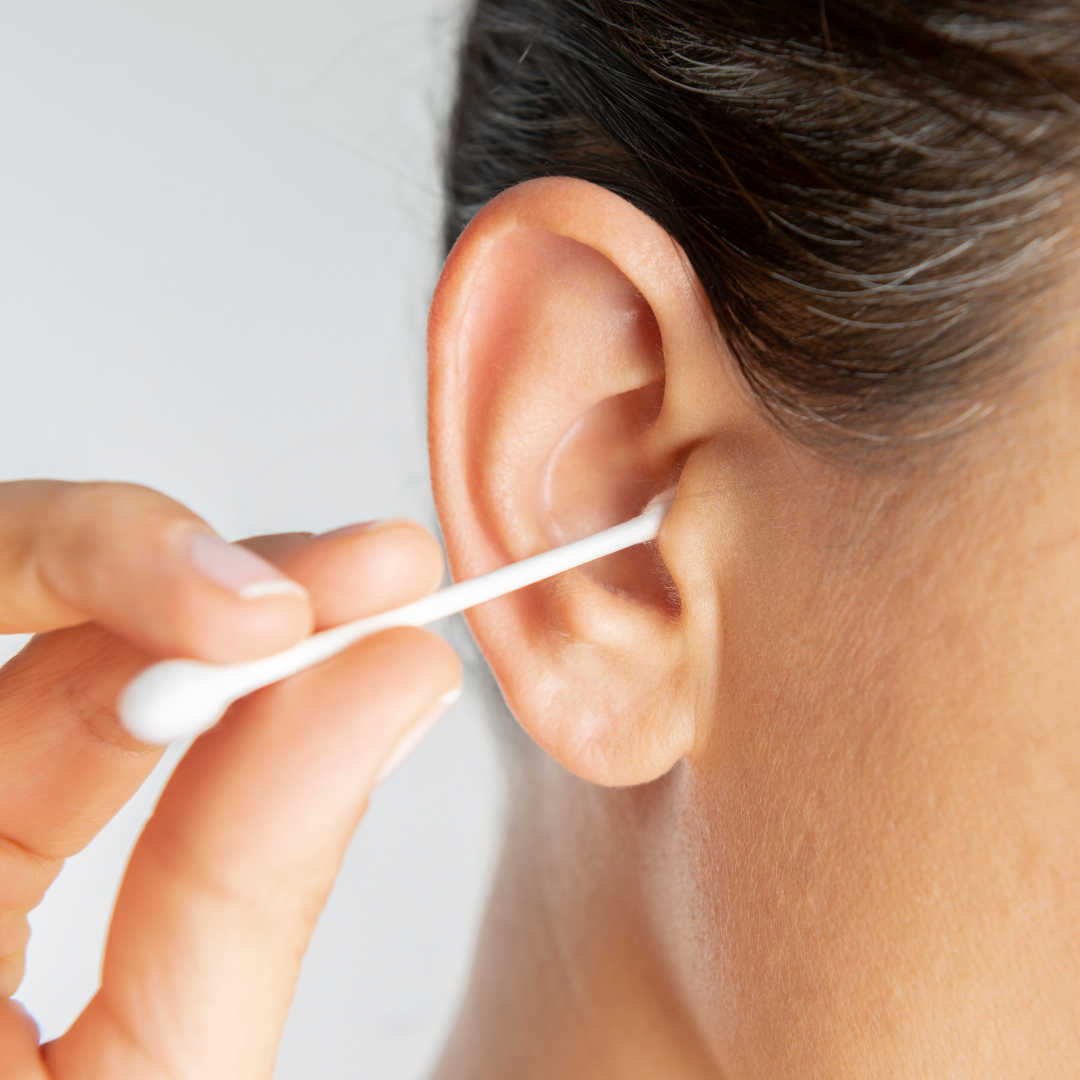
Although cotton swabs appear to offer an easy hygiene solution, pushing them into the ear canal often worsens wax accumulation and risks tissue trauma. We assess whether your earwax demands professional intervention and provide customized care strategies that match your clinical profile. The auditory canal generally manages its own cleaning; however, should impaction arise, our […]
Enduring sudden room-spinning sensations when reclining, rolling over, or sitting up can trigger anxiety, especially if the episode starts abruptly. Our specialists conduct thorough dizziness and equilibrium evaluations to diagnose benign paroxysmal positional vertigo (BPPV) and related inner ear disorders. Through targeted clinical care, we guide individuals through the mechanics of BPPV and outline evidence-based […]
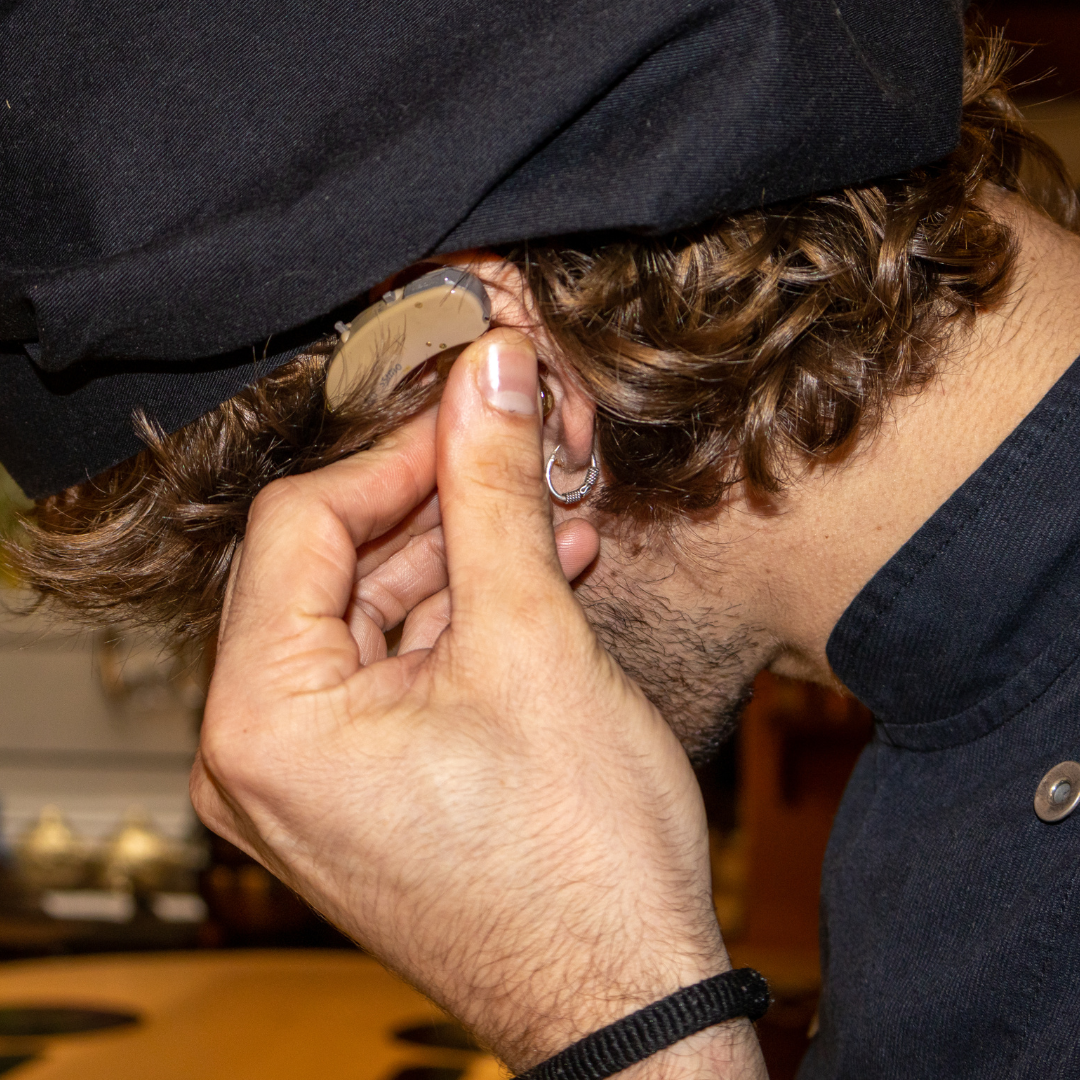
Properly fitted hearing aids are constructed to alleviate your particular hearing loss needs. Even if you are adapting to new hearing aids or have used them for many seasons, when your hearing aids trigger headaches or physical pain, targeted solutions are accessible. A properly adjusted hearing aid will fit comfortably in your ear and provide […]
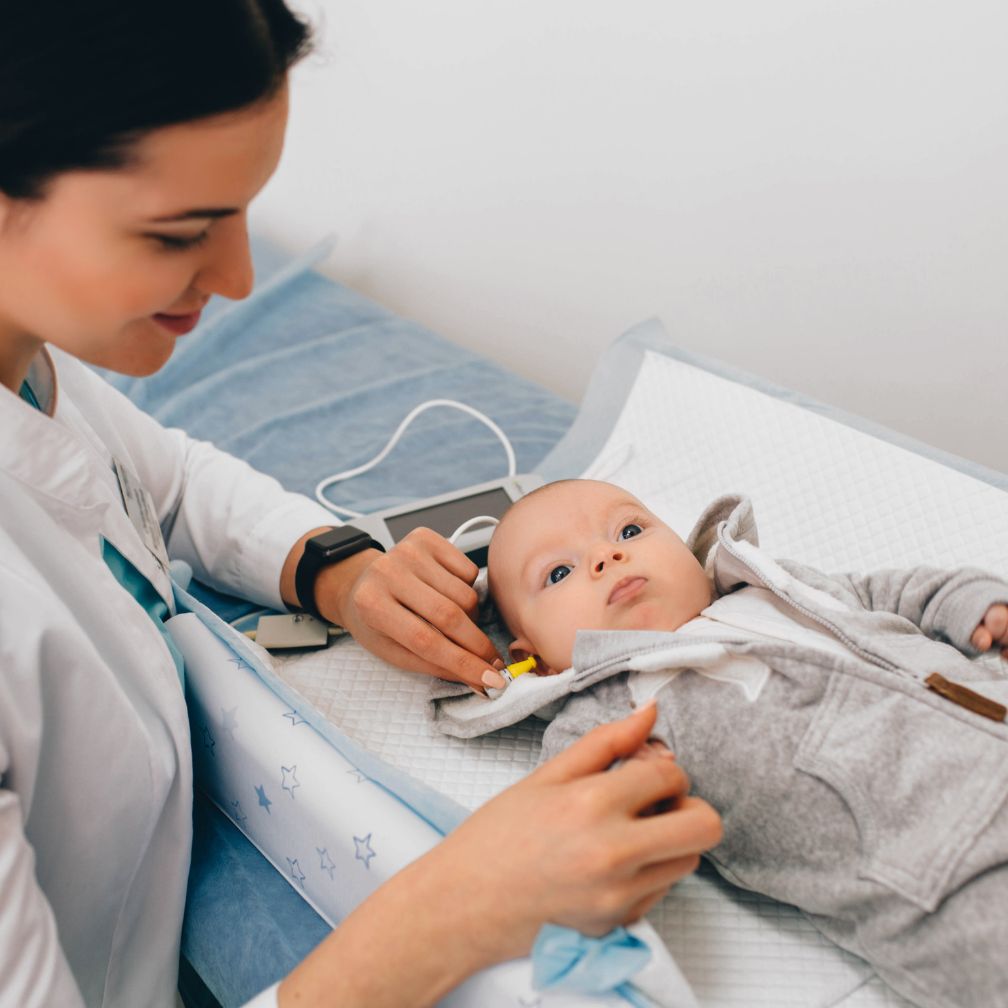
For mothers and fathers with newborns, learning that their baby has hearing loss often feels deeply disheartening and sad. Yet the optimistic truth is that via rapid screening and support, young children facing auditory deficits will achieve profound developmental success. In fact, such infants can acquire language, communication skills, and strong connections with the world […]
The loss of one’s hearing reaches well past mechanical sensory limits; it becomes an intimate internal trial that quietly shapes how individuals experience the world. Although the general public connects hearing loss primarily with muffled sound, the emotional and psychological fallout is frequently hidden, yet fully as impactive. Whether manifesting as sudden irritation or prolonged […]
Is Your Car Damaging Your Hearing? A Look at Vehicle Noise and Hearing Loss There’s nothing quite like the freedom of the open road. But while you’re enjoying the ride, it’s worth asking a less romantic question: is your vehicle quietly damaging your hearing? Here’s a closer look at how different vehicles contribute to noise-induced […]
Most adults battle two to three colds annually, making this respiratory infection one of the most prevalent illnesses in the world. Even though they are incredibly common, colds routinely make you feel completely miserable with acute symptoms such as localized fevers, painful swallowing, nasal discharge, sneezing fits, and chest coughing. However, one highly disruptive symptom […]
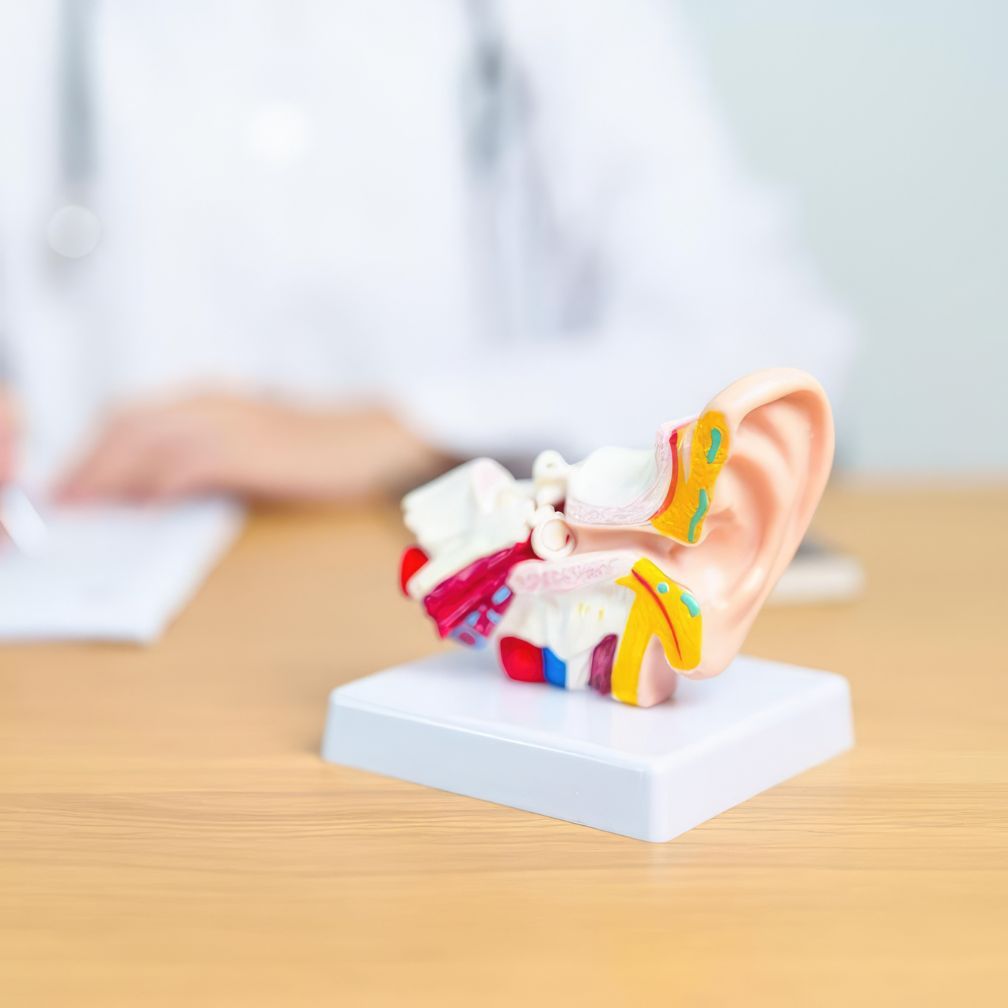
Does Ear Shape Affect How Well You Hear? Many people have noticed that dogs with floppy ears seem to hear less acutely than those with upright, pointed ears. It’s no surprise, then, that animals like cats, dogs, and small rodents can actually swivel their outer ears to capture sound from different directions. Humans share the […]
When a grueling day finally concludes, your entire focus shifts toward achieving a restorative night’s rest. You finally lie down, ambient environmental sounds fade away, and a piercing auditory buzz suddenly becomes completely overwhelming. Should your phantom ear noises seem much more severe at bedtime, rest assured that this is not a trick of your […]