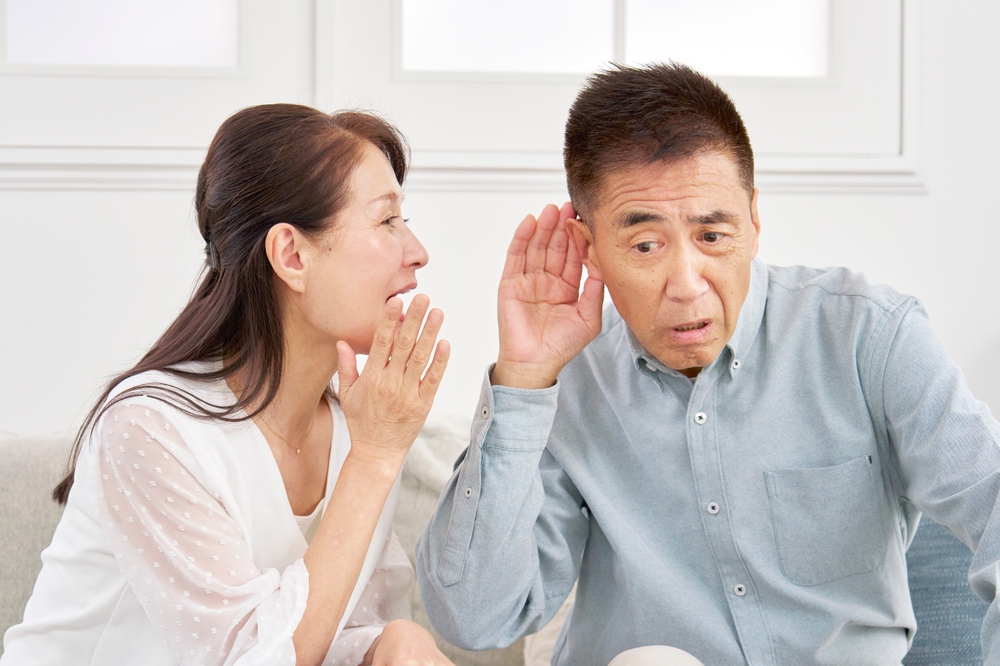
While auditory decline is statistically prevalent, pervasive misconceptions often deter individuals from pursuing clinical intervention. When managing hearing loss, timely intervention is a fundamental requirement for long-term health. Accepting hearing myths as fact typically results in late-stage intervention and diminished communicative function.
Distinguishing audiological reality from fiction empowers patients to make data-driven healthcare choices. Let’s take a closer look at seven hearing loss myths that deserve to be clarified, along with the truths that put them in their place.
The Fallacy of Senior-Only Hearing Loss
While age-related hearing changes are common, hearing loss can occur at any age. Hearing impairment in younger patients is frequently caused by environmental noise, genetic predisposition, or systemic illness.
The “aging myth” frequently prevents young and middle-aged adults from pursuing an essential hearing test.
Myth Two: Auditory Awareness Equals Perfect Hearing
An individual can suffer from hearing loss without experiencing a complete loss of sound. Often, the issue is not a lack of sound but a lack of speech intelligibility in social settings. Between perfect hearing and total hearing loss is a wide spectrum of hearing challenges.
Early symptoms frequently manifest as “cocktail party effect” struggles or a need for constant clarification from speakers. These markers represent initial auditory shifts that warrant a professional evaluation.
Hearing Impairment: More Than a Social Nuisance
Ignoring hearing loss creates systemic health risks that impact the entire neurological system. Research has linked unmanaged hearing loss to social withdrawal, increased stress, cognitive strain, and even a higher risk of depression.
Addressing hearing concerns early helps protect not only your ability to communicate, but also your overall well-being.
Myth Four: The Deterioration Fallacy
There is no clinical evidence to suggest that proper use of hearing aids speeds up auditory decline.
When fitted correctly, hearing aids are safe tools for auditory rehabilitation. Modern tech calibrates sound output to match the specific “gaps” found in your clinical hearing test. Consistent use of hearing aids maintains the neural pathways required for clear sound interpretation.
Myth Five: The Aesthetic Stigma Fallacy
Current hearing tech leverages micro-circuitry to achieve high performance in small packages. The latest generation of devices offers massive amplification capability in a nearly weightless form factor. Sleek “Behind-the-Ear” and “In-the-Ear” designs ensure that modern hearing help is virtually undetectable.
Modern tech includes advanced directional microphones and wireless streaming directly to the patient’s ears.
Myth Six: The Fallacy of “Wait and See” for Mild Loss
Even a subtle auditory deficit can significantly increase the cognitive load required for daily conversation. Early treatment helps prevent listening fatigue and reduces the strain placed on the brain during conversations.
Patients who pursue early help experience a much smoother transition to using hearing technology.
Why OTC Devices Often Fall Short of Clinical Needs
While some over-the-counter hearing devices may provide basic amplification, they are not customized to your specific hearing profile. A professional hearing evaluation ensures that treatment is tailored to your individual needs.
Custom-fit solutions provide a level of acoustic fidelity that generic devices simply cannot match.
Moving Beyond the Myths to Auditory Health
While aural changes are intimidating, delaying care only leads to more complex communicative issues. Accepting myths as truth leads to a longer road to recovery and more significant brain strain. You’ll find that a hearing screening is a comfortable and highly enlightening clinical experience.
Taking the first step toward a hearing test is the best way to safeguard your long-term communication. Seeking help sooner rather than later preserves both your social life and your neurological sharpness.
If you are ready for a professional assessment, our specialists are standing by to assist. Our team is available for appointments: Call us today to protect your hearing.
