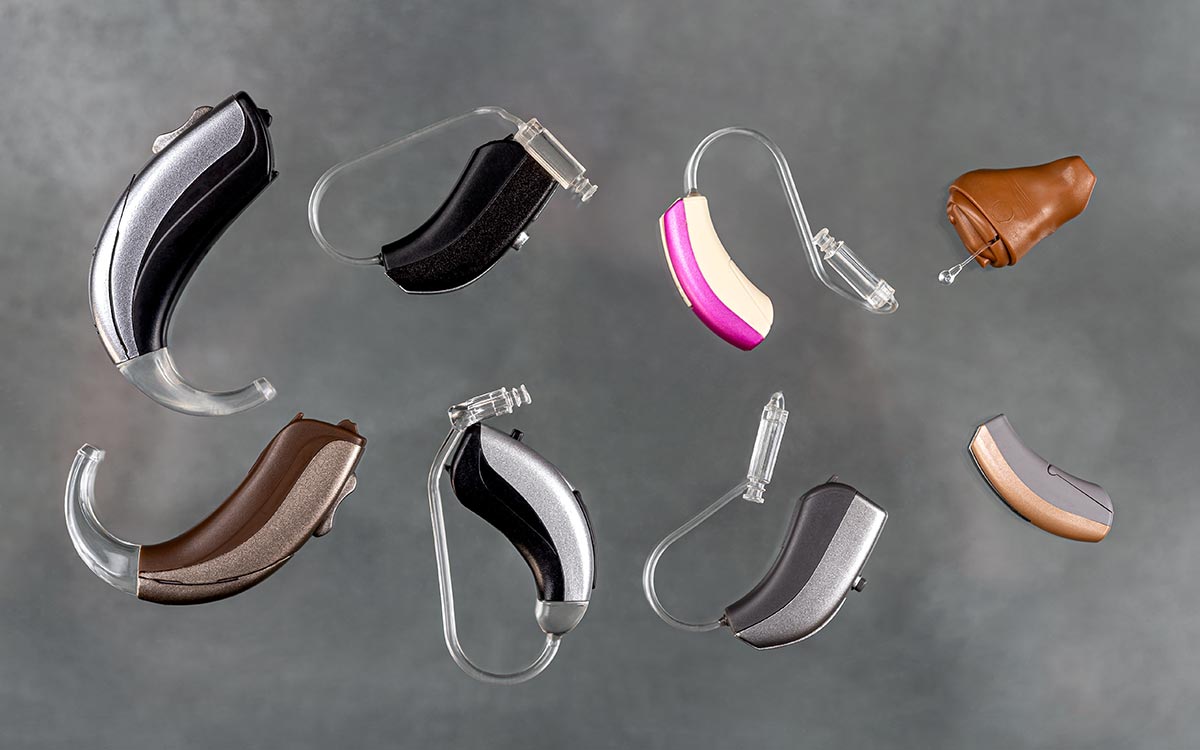
Choosing the right hearing aid can be an arduous task, given the vast array of styles, sizes, and technological features available in modern devices. But no matter your needs, there’s an auditory solution for every lifestyle, preference, and degree of hearing loss. The key is simply identifying the one that fits you best.
Feeling positive about your selection begins with knowing how different hearing aids function and compare. Today, we’re summarizing the different hearing aid styles and what makes each one unique.
Understanding In-the-Canal (ITC) Models
What they represent:
ITC models are custom-fitted to sit within the ear canal, though a small part of the shell remains visible in the ear’s outer portion.
The Perks:
- Provides a subtle look compared to traditional styles
- Tailored to the unique shape of your ear
- A useful choice for those with moderate hearing needs
These devices are commonly recommended for beginners due to their effective mix of subtle design and user-friendly functions.
Ultra-Discreet Invisible-in-Canal (IIC) Devices
Core Traits:
IIC hearing aids are the tiniest custom style available. These devices sit so deeply inside the ear that they are nearly impossible to see.
User Benefits:
- Highest level of discretion for the wearer
- Strategic placement enables an incredibly organic listening experience
- An ultra-light design renders them easy to wear all day
Because of their small size, IIC devices typically work best for mild to moderate hearing loss and for those who prefer a nearly invisible option.
Full and Partial ITE Varieties
Product Details:
A custom hearing aid rests securely within the outer ear, available in both full-shell and half-shell configurations. The shell is specially formed to the specific contours of your individual ear.
The Advantages:
- Increased size allows for more features and longer battery life
- Simpler to manage for those with dexterity challenges
- Effective for a wide range of hearing impairments, ranging from mild to severe
Many people prefer ITE devices because they offer a streamlined, self-contained design that doesn’t hook over the ear.
Traditional BTE Units
Operation:
Positioned securely on the back of the ear, BTE models sit on the outer ridge. Audio travels through a specialized tube or custom-fit mold into the ear opening.
Key Advantages:
- Known for being remarkably adaptable and robust
- Can be programmed to help users with everything from mild to profound loss
- Big enough to house sophisticated software and modern rechargeable technology
For those who prioritize a dependable device that is easy to manage and provides plenty of volume, BTE is an excellent choice.
Modern RIC Devices
Design Specifications:
In an RIC model, the speaker is detached from the main housing and placed inside the canal via a thin wire.
Key Benefits:
- Minimizes the “plugged up” feeling for more pure hearing
- Offers an incredibly low-profile appearance that is comfortable for almost everyone
- Flexible enough to treat a broad range of hearing impairments
Thanks to their comfort and visual appeal, RIC devices have become a gold standard.
Extended-Wear Hearing Aids
Usage Summary:
Extended-wear models are semi-permanent devices that a professional fits into the ear for an interval of several weeks.
The Appeal:
- Provides an effortless journey with no daily maintenance required
- Offers an entirely covert solution for hearing health
- Built to endure the stresses of sleep, exercise, and showering without being removed
Extended-wear devices are ideal for those who want an effortless approach.
Wireless Bluetooth Syncing
Digital Attributes:
Bluetooth-ready hearing aids enable a wireless digital bridge between your hearing technology and your smart devices.
Modern Benefits:
- Enjoy direct sound streaming from your phone or TV right into your ears
- Adjust settings through an app
- Enhanced ease for modern lifestyles
This wireless technology is located in most modern behind-the-ear and in-the-canal models.
Alternative Surgical Solutions
Design Layout:
This technology requires an operative procedure to place a device that mechanically stimulates the bones of the middle ear.
Medical Reasons:
- Serves as an essential alternative for those who find no success with traditional amplification
- Great for users who suffer persistent irritation from standard molds
Middle-ear implants are typically recommended only after an exhaustive evaluation by a hearing specialist.
Your Path to Improved Hearing
Selecting a hearing aid is an individualized process that takes into account your hearing severity, lifestyle habits, and visual preferences. By visiting a specialist, you can investigate various models and see which one feels most natural to you.
If you’re ready to explore the possibilities, schedule an auditory evaluation today. It’s an excellent first step toward better hearing and more confident communication every day.
Sources:
https://www.mayoclinic.org/diseases-conditions/hearing-loss/in-depth/hearing-aids/art-
20044116
https://www.hearinglife.com/hearing-aids/types
https://www.nidcd.nih.gov/health/hearing-aids
