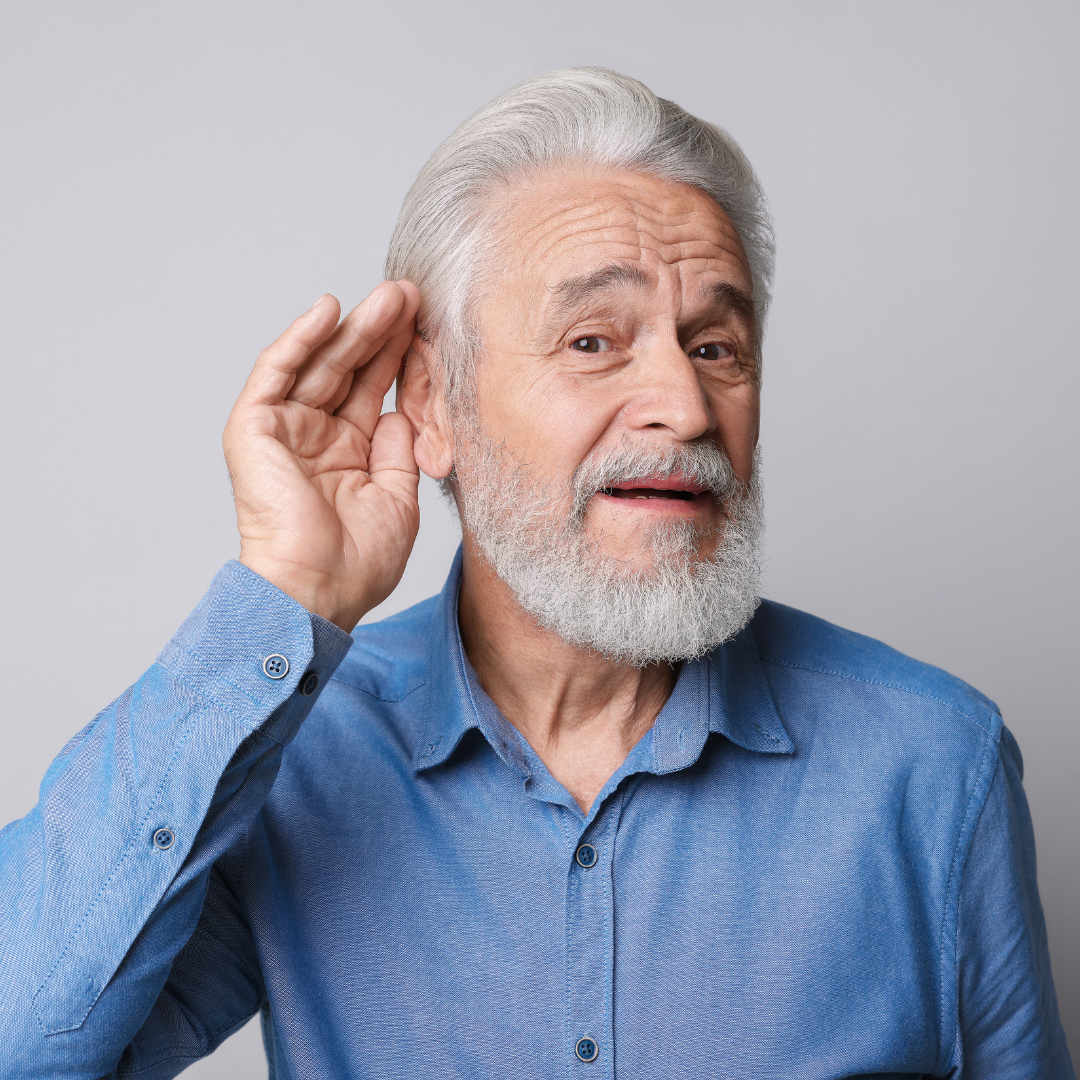
A sudden drop in hearing in one ear can be frightening and may leave those experiencing it unsure of their next steps. We deliver urgent diagnostic hearing tests and partner with otolaryngologists to ensure comprehensive medical intervention when hearing drops rapidly. Rapid-onset sudden hearing loss mandates swift clinical attention from an audiologist or physician to explore prompt treatment or auditory rehabilitation.
Why Acute Single-Sided Hearing Loss Demands Emergency Care
Yes, without question. A sudden hearing loss affecting one ear must be addressed as a true medical emergency, especially if it unfolds across hours or several days. Sudden sensorineural hearing loss, colloquially known as sudden deafness, compromises the sensory hair cells of the inner ear or the auditory nerve. It generally arises in the absence of pain, causing individuals to mistakenly assume their ear is simply plugged or congested.
Common clinical manifestations include:
- A rapid decrease in volume or clarity on one side
- Difficulty hearing through one ear during a phone call
- Sensation of an internal ear pop or mounting aural pressure right before hearing diminishes
- Sudden-onset tinnitus characterized by ringing, buzzing, or roaring within the impaired ear
- Dizziness, imbalance, or a spinning sensation
Do not wait for hearing to restore on its own. Connect with our clinical team, a local urgent care center, or an ENT specialist for urgent, same-day assessment.
The Critical Importance of Immediate Medical Care for Sudden Hearing Loss
Early evaluation matters because treatment for sudden sensorineural hearing loss is generally most useful when it begins promptly. The primary diagnostic objective is establishing whether the impairment is conductive, involving external or middle-ear mechanical blockages like wax or fluid, or sensorineural, implicating inner ear structures. These two forms of hearing loss mimic each other subjectively, yet they necessitate completely different medical treatments.
A thorough physical ear inspection combined with a diagnostic hearing test isolates the exact type, audiometric shape, and severity of the loss.
Contact emergency medical services immediately if sudden auditory decline presents alongside:
- Marked facial drooping, unilateral weakness, or loss of sensation
- Neurological speech deficits, sudden disorientation, or an excruciating new headache
- Bilateral double vision, syncopal collapse, or an inability to maintain normal walking gait
- Acute angina (chest pain) or any secondary indicators of systemic vascular crisis
Such presenting symptoms frequently indicate a major cerebrovascular or neurological emergency that demands immediate emergency room evaluation.
Clinical Causes and Mechanisms Behind Sudden Hearing Loss
In approximately ninety percent of sudden sensorineural hearing loss presentations, no single definitive cause is ever confirmed. In instances where a cause is verified, it often centers on vascular disruption, inner-ear inflammation, mechanical trauma, autoimmune destruction, or auditory nerve pathology.
Potential medical causes encompass:
- Systemic or localized viral and bacterial infections
- Traumatic brain injury, temporal bone fracture, or acute acoustic trauma
- Diagnosed autoimmune disorders affecting the inner ear sensory systems
- Exposure to prescription ototoxic medications that harm cochlear hair cells
- Acute circulatory compromise or cochlear microvascular infarction
- Inner-ear disorders such as Ménière’s disease
- Central neurological pathologies including multiple sclerosis
- A benign neoplasm such as an acoustic neuroma along the hearing and balance nerve
Because one cannot differentiate these complex etiologies based on symptoms alone, prompt diagnostic assessment and audiologic testing are critical.
How Can Sudden Sensorineural Hearing Loss Be Treated?
Corticosteroids are a common treatment when sudden sensorineural hearing loss has no clear cause. Steroid medications can be administered as an oral taper or delivered via intratympanic injection through the eardrum directly into the middle ear space to diffuse into the cochlea. Treatment options are made by us and should account for the timing and severity of the loss, medical conditions, current medications, and potential side effects.
Steroid treatment may be offered within the first two weeks, and starting as early as medically appropriate is important. Providers may advise intratympanic steroid injections as an aggressive salvage therapy if oral treatment produces incomplete hearing restoration. In select patient profiles, your physician may review hyperbaric oxygen therapy integrated with systemic corticosteroid protocols.
Understanding Spontaneous Recovery in Sudden Sensorineural Hearing Loss
Sudden sensorineural hearing loss can improve without treatment. About half of affected people regain some or all of their hearing spontaneously, often within the first one to two weeks. Still, there is no clinical way to predict at symptom onset who will experience spontaneous recovery, how much hearing will be regained, or whether stability will persist.
Anticipating spontaneous recovery is not a justifiable clinical rationale for postponing prompt care. The efficacy of medical therapy in reversing permanent sensorineural loss drops dramatically when initiated weeks later, meaning hesitation can permanently close the therapeutic window. Clinical outcomes encompass total functional recovery, partial restoration of thresholds, or minimal auditory change.
Audiological Management for Persistent Sudden Unilateral Hearing Loss
If auditory thresholds fail to normalize completely, management depends on residual hearing sensitivity, unilateral speech discrimination scores, and the exclusion of underlying retrocochlear pathology. We often coordinate a contrast-enhanced MRI study or an auditory brainstem response test to evaluate the vestibulocochlear nerve pathway.
Advanced long-term management strategies feature:
- Custom programming of a traditional hearing aid when the ear maintains usable acoustic thresholds
- Utilizing a CROS hearing aid system designed to stream acoustic signals from the impaired ear to the normal-hearing ear
- An osseointegrated bone-conduction hearing system or bone-anchored hearing device for qualifying candidates
- A cochlear implant evaluation for patients presenting with profound single-sided deafness
- Assistive listening technology for work, school, or conversations
Engaging in audiologic rehabilitation can alleviate severe listening fatigue, train sound localization, and resolve ongoing communication challenges. Determining the ideal intervention depends upon your diagnostic hearing test metrics, lifestyle demands, medical history, and personal communication goals.
Request a Same-Day Hearing Evaluation
If your hearing changed suddenly today or during the past several days, request same-day medical direction rather than waiting for a routine consultation. Our clinical team will administer diagnostic hearing tests, analyze interaural differences, evaluate symptom onset chronology, and coordinate with an otolaryngologist or medical team immediately.
Connect with our clinical office right away to arrange an urgent hearing assessment.
